


Are Aluminium Side Steps Corrosion - Resistant?
As a supplier of Aluminium Side Steps, I am frequently asked about the corrosion - resistance of our products. This question is crucial for our customers as corrosion can not only affect the aesthetic appeal of the side steps but also their structural integrity and longevity. In this blog, I will delve into the science behind the corrosion - resistance of aluminium side steps, explore the factors that can influence it, and provide some insights on how to maintain their corrosion - resistant properties.
The Science of Aluminium's Corrosion Resistance
Aluminium has a natural tendency to form a thin, protective oxide layer on its surface when exposed to oxygen in the air. This oxide layer, composed of aluminium oxide (Al₂O₃), acts as a barrier that prevents further oxidation and corrosion of the underlying aluminium metal. The oxide layer is self - healing, which means that if it is scratched or damaged, it will reform quickly as long as there is oxygen present.
The formation of this protective layer is a spontaneous process that occurs almost immediately when aluminium is exposed to the atmosphere. The thickness of the oxide layer can vary depending on environmental conditions, but it typically ranges from a few nanometers to a few micrometers. This thin layer is transparent, so it does not significantly affect the appearance of the aluminium side steps.
Factors Affecting the Corrosion Resistance of Aluminium Side Steps
While aluminium has inherent corrosion - resistant properties, several factors can influence the effectiveness of the protective oxide layer and potentially lead to corrosion.
-
Environmental Conditions

- Humidity: High humidity levels can accelerate the corrosion process. In areas with high humidity, water vapor can condense on the surface of the aluminium side steps, creating an electrolyte that can facilitate the flow of electrons and promote corrosion. For example, in coastal regions where the air is humid and contains salt particles, the corrosion risk is significantly higher.
- Pollution: Industrial pollutants such as sulfur dioxide, nitrogen oxides, and particulate matter can react with the aluminium oxide layer and break it down. This can expose the underlying aluminium to further corrosion. In urban areas with heavy traffic and industrial activity, the side steps may be more prone to corrosion due to the presence of these pollutants.
- Salt Exposure: Salt is a highly corrosive substance. When aluminium side steps are exposed to salt, such as in winter when roads are salted to prevent icing or in coastal areas where saltwater spray is common, the salt can disrupt the protective oxide layer. Salt can also act as an electrolyte, increasing the conductivity and promoting the corrosion process.
-
Surface Finish
- Anodizing: Anodizing is a process that artificially thickens the aluminium oxide layer on the surface of the side steps. Anodized aluminium side steps have a more durable and corrosion - resistant surface compared to non - anodized ones. The anodizing process can also add color to the side steps, enhancing their aesthetic appeal. However, if the anodized layer is damaged, it may not self - heal as effectively as the natural oxide layer.
- Powder Coating: Powder coating is another way to protect the aluminium side steps from corrosion. A powder coating provides a physical barrier between the aluminium and the environment. It can also offer additional protection against scratches and abrasions. However, like anodizing, if the powder coating is damaged, the underlying aluminium may be exposed to corrosion.
-
Mechanical Damage
- Scratches and Dents: Scratches and dents can break the protective oxide layer, exposing the underlying aluminium to the environment. Even small scratches can provide a pathway for corrosion to start. It is important to handle the side steps carefully during installation and use to avoid such damage.
Maintaining the Corrosion Resistance of Aluminium Side Steps
To ensure the long - term corrosion resistance of aluminium side steps, proper maintenance is essential.
- Regular Cleaning
- Cleaning the side steps regularly can remove dirt, dust, and other contaminants that may accumulate on the surface. Use a mild soap and water solution and a soft cloth or sponge to clean the side steps. Avoid using abrasive cleaners or brushes that can scratch the surface and damage the protective layer.
- Inspection
- Periodically inspect the side steps for any signs of damage or corrosion. Look for scratches, dents, or areas where the protective layer may be compromised. If any damage is found, it should be repaired as soon as possible to prevent further corrosion.
- Protective Treatments
- Applying a protective wax or sealant can provide an additional layer of protection against corrosion. These products can help to repel water and prevent contaminants from adhering to the surface of the side steps.
Our Product Range and Corrosion Resistance
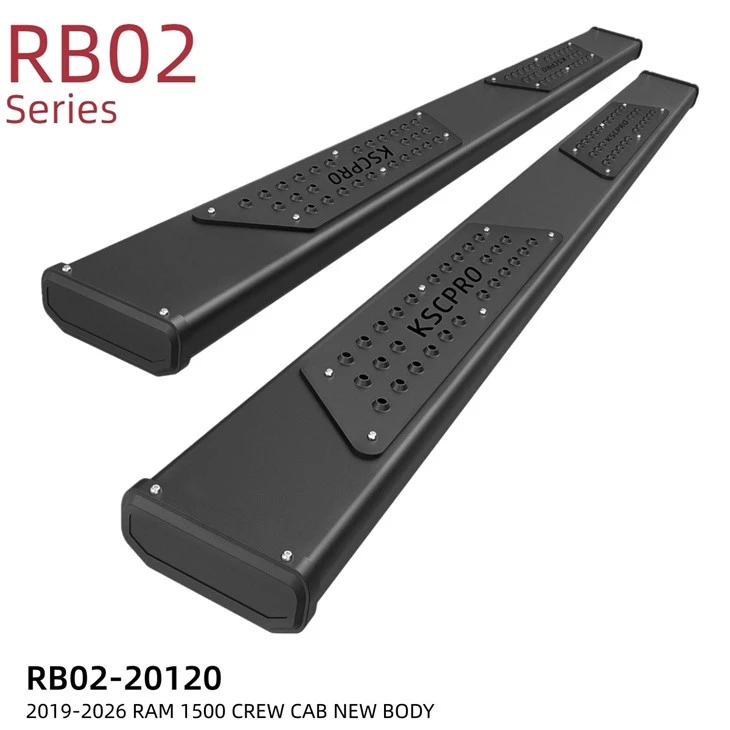
At our company, we offer a wide range of aluminium side steps, including F150 Side Steps, Running Boards For Ford F150 Supercrew, and Ram 1500 Running Boards. All of our side steps are made from high - quality aluminium and are designed to be corrosion - resistant.
We use advanced manufacturing processes such as anodizing and powder coating to enhance the corrosion resistance of our products. Our anodized side steps have a thick and durable oxide layer that provides excellent protection against corrosion, even in harsh environmental conditions. Our powder - coated side steps offer a beautiful finish and additional protection against scratches and abrasion.
Conclusion
In conclusion, aluminium side steps have inherent corrosion - resistant properties due to the formation of a protective oxide layer on their surface. However, environmental conditions, surface finish, and mechanical damage can all influence the effectiveness of this protective layer. By understanding these factors and taking proper maintenance measures, the corrosion resistance of aluminium side steps can be maintained over a long period.
If you are interested in our high - quality, corrosion - resistant aluminium side steps, we encourage you to contact us for more information and to discuss your specific requirements. We are committed to providing the best products and services to our customers, and we look forward to working with you.
References
- Jones, D. A. (1992). Principles and Prevention of Corrosion. Macmillan Publishing Company.
- Uhlig, H. H., & Revie, R. W. (1985). Corrosion and Corrosion Control. John Wiley & Sons.


