


Storing a car roof rack awning properly when it's not in use is super important. As a car roof rack awning supplier, I've seen firsthand how the right storage can extend the life of these awesome accessories. In this blog, I'll share some tips on how to keep your awning in top - notch condition during those off - seasons.
Why Proper Storage Matters
First off, let's talk about why it's crucial to store your car roof rack awning correctly. Awnings are exposed to all kinds of weather when you're out on the road. Sun, rain, wind, and even snow can take a toll on the fabric and the frame. If you just leave it out or toss it in a corner, you're looking at issues like mold growth, fabric degradation, and rust on the metal parts.
A well - stored awning will last longer, which means you won't have to replace it as often. And let's be real, these awnings aren't cheap! So, taking the time to store it right is a no - brainer if you want to get the most bang for your buck.
Cleaning Before Storage
Before you even think about storing your awning, you need to give it a good cleaning. Start by removing any dirt, leaves, or debris that might be on the awning. You can use a soft - bristled brush to gently scrub the fabric. If there are stubborn stains, a mild soap and water solution should do the trick. Just make sure to rinse it thoroughly to avoid leaving any soap residue.
For the frame, check for any signs of dirt or grime. You can use a damp cloth to wipe it down. If there are rust spots, use a rust remover and then apply a protective coating to prevent future rusting.
Folding and Packing
Once your awning is clean and dry, it's time to fold it up. Different awnings have different folding mechanisms, so it's a good idea to refer to the manufacturer's instructions. But generally, you'll want to start by retracting the awning back into its housing if it has one.
If it's a freestanding awning, like the Freestanding 270 Awning, carefully collapse the frame and fold the fabric. Make sure to fold it neatly to avoid creases that could weaken the fabric over time.
When packing it, use the storage bag that came with the awning if possible. If not, find a sturdy, breathable bag that will protect the awning from dust and moisture. You don't want to use a plastic bag that could trap moisture and lead to mold growth.
Choosing the Right Storage Location
The next step is to pick a suitable storage spot. The ideal location is dry, cool, and away from direct sunlight. A garage or a shed is usually a great option. If you don't have access to either, you could consider renting a small storage unit.
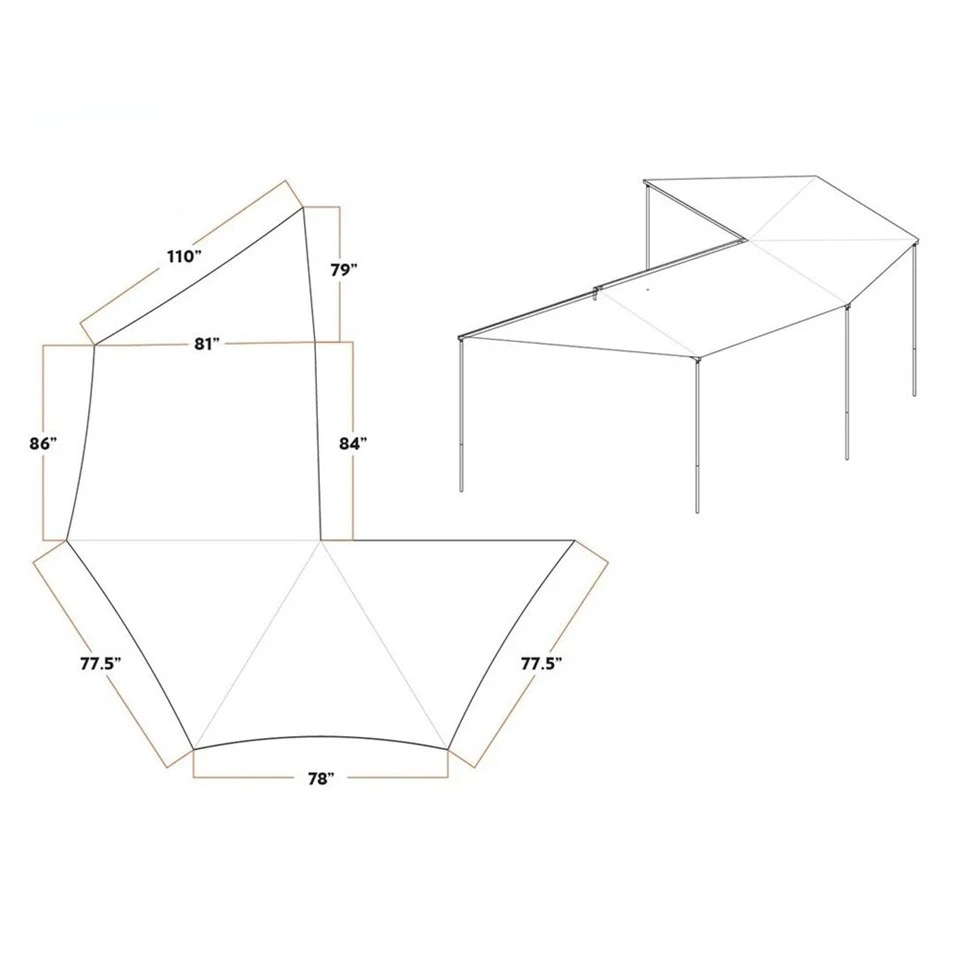
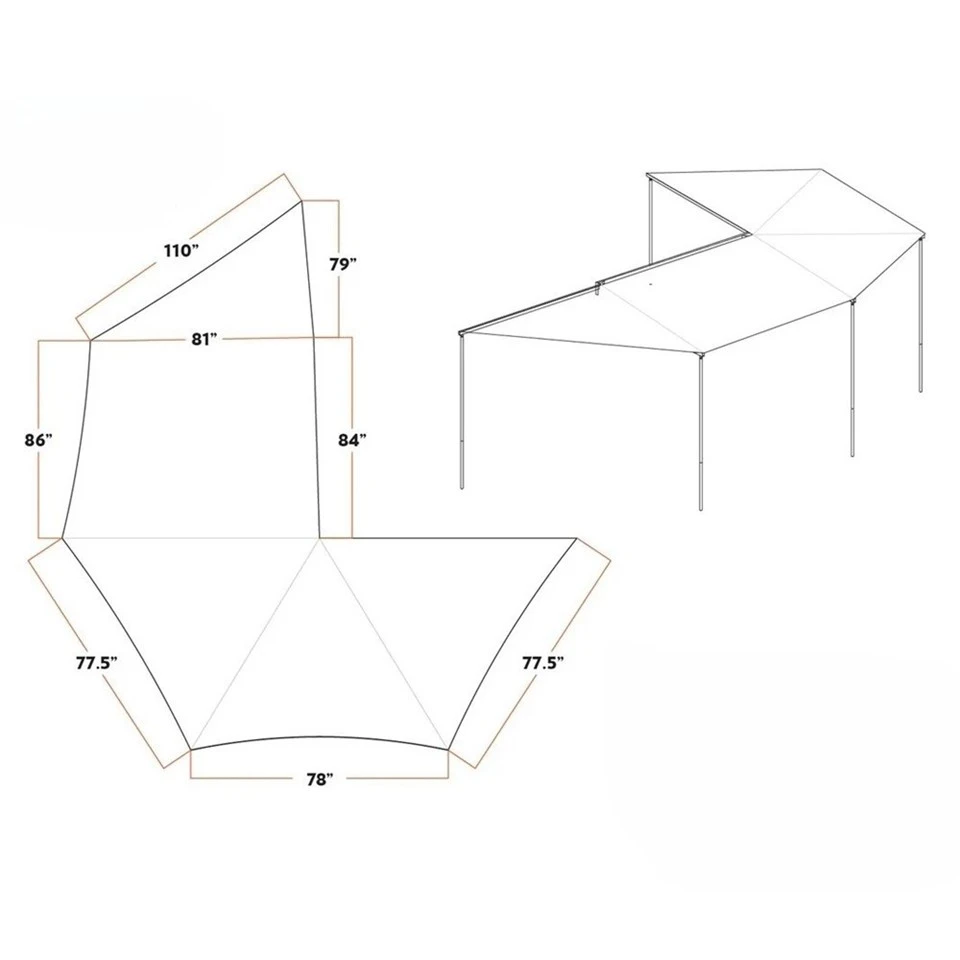
Avoid storing the awning in a damp basement or an attic that gets really hot in the summer. Extreme temperatures and humidity can damage the fabric and the frame. You also want to make sure the storage area is free from pests. Rodents and insects can chew on the fabric and cause irreparable damage.
Hanging or Laying Flat
Whether you should hang your awning or lay it flat depends on its size and design. If it's a smaller awning, hanging it up on a wall or a hook can save space. Just make sure it's hung evenly so it doesn't stretch the fabric.
For larger awnings, laying them flat on a shelf or a pallet might be a better option. This way, you won't have to worry about the weight of the awning causing any damage to the fabric or the frame.
Regular Checks
Even when your awning is in storage, it's a good idea to check on it every once in a while. This will allow you to catch any potential issues early on. Look for signs of mold, mildew, or damage to the fabric or the frame.
If you notice any problems, address them right away. For example, if you see a small mold spot, you can clean it with a mold - killing solution. If there's damage to the frame, you might need to repair or replace it.
Special Considerations for Different Types of Awnings
If you have a Truck Awning 270, it might have a more complex frame and mounting system. Make sure to follow the specific storage instructions for this type of awning. You may need to remove some parts for easier storage.
The Pull Out Awning for Overlanding is designed for easy deployment, but it also needs proper care when not in use. Check the tracks and the moving parts to make sure they're clean and lubricated before storage.
Conclusion
Storing your car roof rack awning properly is essential for its longevity and performance. By following these tips, you can ensure that your awning is ready to go whenever you hit the road again.
If you're in the market for a new car roof rack awning or have any questions about storage or maintenance, don't hesitate to reach out. We're here to help you make the most of your outdoor adventures. Whether you're looking for a freestanding awning, a truck awning, or a pull - out awning for overlanding, we've got you covered.
References
- General knowledge from years of experience as a car roof rack awning supplier.
- Manufacturer's instructions for various car roof rack awnings.


