


A dance studio is a place where dancers come to express themselves, perfect their moves, and tell stories through movement. The right floor mat can significantly impact a dancer's performance, safety, and overall experience. As a floor mat supplier, I've had the privilege of working with numerous dance studios to find the best flooring solutions. In this blog, I'll explore the key factors to consider when choosing a floor mat for a dance studio and recommend some top options.
Key Factors to Consider
1. Shock Absorption
Dancing involves a lot of jumping, landing, and quick movements. A floor mat with good shock absorption can help reduce the impact on dancers' joints, preventing injuries such as sprains, strains, and stress fractures. Mats made from materials like rubber or foam are known for their excellent shock - absorbing properties. For example, high - density foam mats can compress under the dancer's weight and then quickly return to their original shape, dissipating the energy from the impact.
2. Slip Resistance
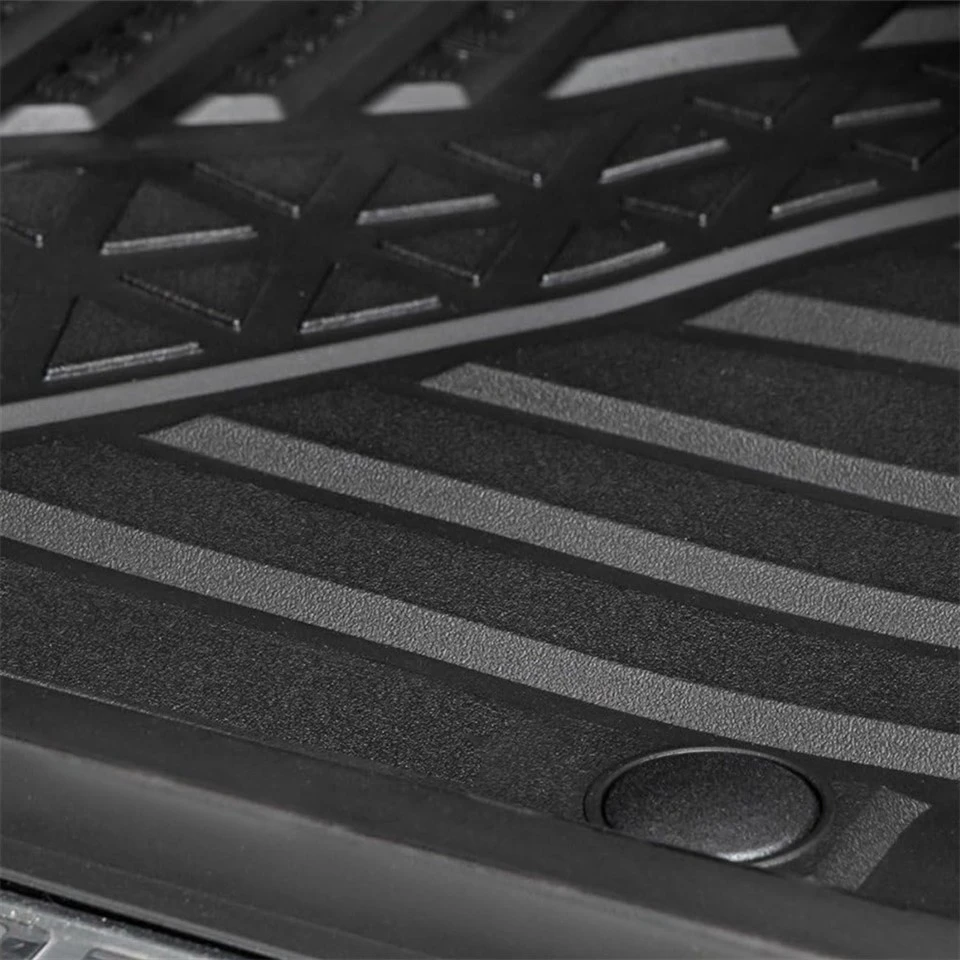
Safety is of utmost importance in a dance studio. A slippery floor can lead to falls and serious injuries. A good dance floor mat should have a high coefficient of friction to provide traction. Textured surfaces or mats with anti - slip coatings are ideal. For instance, rubber mats with a patterned surface can offer better grip, even when the floor gets sweaty or if there are spills.

3. Durability
Dance studios see a high volume of traffic, with dancers constantly moving, turning, and sliding on the floor. The floor mat needs to be able to withstand this wear and tear. Mats made from durable materials like vinyl or heavy - duty rubber are long - lasting. They can resist scratches, scuffs, and the effects of regular cleaning chemicals.
4. Thickness
The thickness of the floor mat can also affect the dancing experience. A thicker mat generally provides more shock absorption but may also reduce the feeling of connection to the floor. Thinner mats, on the other hand, offer a more direct feel, which can be beneficial for certain types of dance, such as ballet. A thickness of around 1/4 to 1/2 inch is often a good compromise for most dance styles.
5. Portability and Installation
Some dance studios may need to move their floor mats around or install them in different locations. In such cases, portability and ease of installation are important. Interlocking mats are a popular choice as they can be easily assembled and disassembled. They also allow for flexibility in terms of the size and shape of the dance area.
Top Floor Mat Options for Dance Studios
1. Rubber Mats
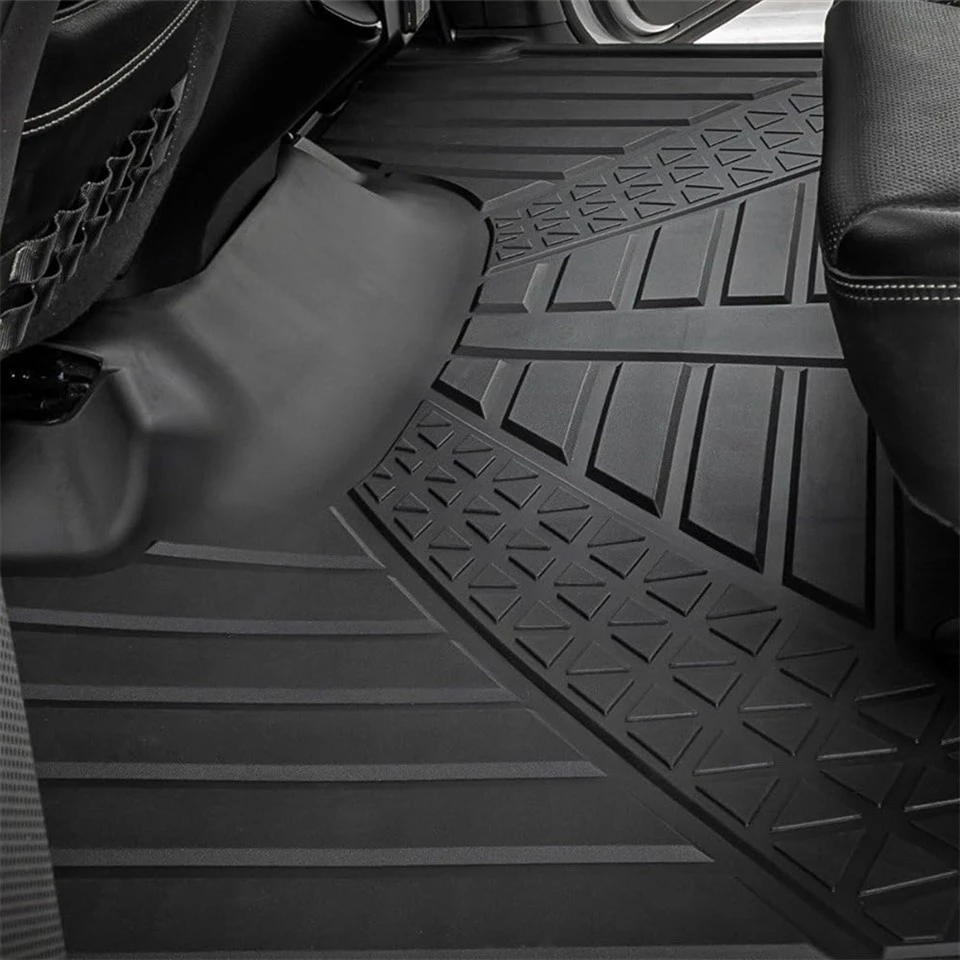
Rubber mats are a great choice for dance studios. They offer excellent shock absorption, slip resistance, and durability. Rubber mats come in various thicknesses and textures. Some rubber mats have a smooth surface for a more traditional look, while others have a textured surface for enhanced grip. For example, a heavy - duty rubber mat with a beveled edge can provide a seamless and safe dancing surface. These mats are also easy to clean, making them suitable for high - traffic areas.
2. Foam Mats
Foam mats are known for their superior shock - absorbing capabilities. They are lightweight and easy to install, making them a popular option for home dance studios or temporary setups. Foam mats are available in different densities. Higher - density foam mats are more durable and can withstand more intense use. They also come in a variety of colors, allowing you to customize the look of your dance studio.
3. Vinyl Mats
Vinyl mats are another good choice for dance studios. They are waterproof, easy to clean, and relatively inexpensive. Vinyl mats can be printed with different designs, which can add a decorative touch to the studio. They also offer good slip resistance and are available in various thicknesses. Some vinyl mats are designed to be anti - static, which can be beneficial in environments where static electricity can be a problem.

Comparing with Other Floor Mat Applications
While we focus on dance studio floor mats, it's interesting to note the different requirements of other floor mat applications. For example, Floor Liners for Ram 1500 are designed to fit the specific contours of a vehicle's floor. They need to be resistant to dirt, water, and abrasion from shoes. Similarly, Wrangler Weather Mats are made to protect the interior of a Jeep from the elements, with features like deep channels to trap water and debris. F150 Weather Mats are engineered to withstand the heavy - duty use in a Ford F150, providing both protection and a custom fit.
Conclusion
Choosing the best floor mat for a dance studio depends on a variety of factors, including shock absorption, slip resistance, durability, thickness, and portability. Rubber, foam, and vinyl mats are all excellent options, each with its own set of advantages. As a floor mat supplier, I'm committed to helping dance studios find the perfect flooring solution that meets their specific needs.
If you're in the process of setting up a dance studio or looking to upgrade your existing floor mats, I'd love to have a conversation with you. We can discuss your requirements in detail and find the best floor mat for your space. Whether you need a small mat for a home studio or a large - scale installation for a professional dance facility, we have the expertise and products to assist you. Contact us to start the procurement process and let's create the ideal dancing environment together.
References
- "Dance Floor Design and Construction" by Dance Studio Owners Association.
- "Safety Standards for Dance Floors" published by the National Dance Education Organization.
- "Materials for Dance Floors" from the Journal of Dance Science.


